Review: Letter X 3D Papercut Shadow Box Design
As a designer who has spent countless hours digitizing and testing embroidery patterns, I approach every new machine embroidery design with a mix of curiosity and skepticism. We have all been there: you download a file that looks stunning on the screen, only to find it turns into a bird’s nest of thread breaks and puckering once it hits the fabric. That is why I took the time to thoroughly evaluate the Letter X Alphabet 3D Papercut Shadow Box. This is not just another alphabet set; it is a stylized, layered composition that attempts to mimic the trendy papercut aesthetic through thread work. For those of us running a craft business or selling on Etsy, understanding how this design translates from a digital embroidery file to a tangible finished product is critical before we promise it to a client.
First Impressions and Visual Personality
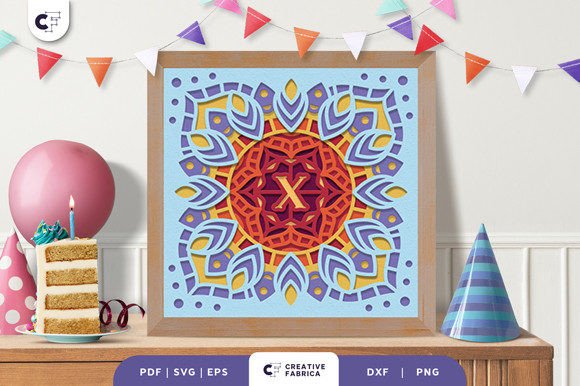
The first thing that strikes me about the Letter X Alphabet 3D Papercut Shadow Box is its intricate layering. The description highlights a detailed floral pattern forming the structure of the letter, which immediately sets a tone of elegance and complexity. Visually, it creates a sense of depth, aiming for that popular "shadow box" look where elements appear to float above one another. This mood is perfect for projects that require a touch of sophistication without being overly formal. It feels organic yet structured, making it a versatile choice for modern handmade goods.
However, complexity in design often translates to complexity in stitching. When I zoomed in on the preview, I noticed the interplay between what appears to be satin stitch borders and dense fill stitch areas. For an experienced eye, this signals that thread choice and tension will play a massive role in the final outcome. The design does not look like a simple running stitch outline; it demands precision. If you are looking for a quick, five-minute stitch-out for a last-minute gift, this might not be it. But if you are curating a high-end small shop product, this level of detail adds perceived value.
Real-World Application: The Custom Tote Test
To truly judge the utility of this design, I imagined a real-life scenario: creating a personalized birthday gift. Let’s say a customer orders a custom canvas tote bag design for a friend named Xavier. The Letter X Alphabet 3D Papercut Shadow Box fits the Birthdays category well because it feels celebratory and unique. Unlike standard block letters, this design serves as a standalone art piece on the bag.
In this context, the 3D SVG nature of the source file suggests that the layers are distinct. In embroidery, achieving this 3D effect requires careful management of stitch density. If the layers are too dense, the fabric will pucker, especially on a tote bag which often uses lighter-weight canvas or cotton. My advice would be to use a heavy-cut stabilizer to support the weight of the thread. The floral details within the letter X need to breathe; if the stitches are too tight, those delicate petals will merge into a solid blob, losing the intended papercut illusion.
Apparel and Textured Fabrics
Moving beyond totes, let’s consider custom apparel. Imagine this design on a high-quality sweatshirt. Sweatshirt embroidery is forgiving due to the thickness of the fleece, which can handle higher stitch counts. However, the texture of the fabric can obscure fine details. The intricate floral patterns inside the Letter X might get lost in the pile of the fleece. For apparel, I would recommend scaling the design up slightly to ensure clarity. Conversely, on a smooth polo shirt or a crisp button-down, the design would shine, provided you use a tear-away stabilizer to prevent stiffness against the skin.
For baby embroidery projects, caution is key. While the design is beautiful, the density might be too stiff for delicate baby skin. If you are making a personalized onesie or blanket, consider using softer threads like rayon or polyester rather than stiff cotton, and ensure the back of the stitching is clean and covered to prevent irritation. Always test on scrap fabric first to gauge the hand-feel of the final handmade product.
Navigating Technical Challenges
Every design has its pitfalls, and transparency is part of good reviewing. Here is where you need to be careful with the Letter X Alphabet 3D Papercut Shadow Box:
- Hoop Size Constraints: Ensure your machine’s hoop size can accommodate the full width of the letter with its decorative extensions. Cropping a design like this ruins the symmetry.
- Fabric Texture: On textured fabrics like linen or waffle knit, the fine details of the floral pattern may not register clearly. Smooth, tightly woven fabrics are your best bet for clarity.
- Dark Fabric Contrast: If stitching on dark fabric, you must carefully select thread colors. A low-contrast thread will make the intricate layers invisible. Consider using a metallic or high-sheen thread to highlight the 3D effect.
- Curved Surfaces: Stitching this on a cap or hat is risky. The curved surface distorts the perspective of the 3D effect. Unless you are an expert at digitizing adjustments for caps, stick to flat surfaces like pillows, aprons, or patches.
Commercial Viability and Brand Consistency
For Etsy sellers and commercial embroidery professionals, this design is a strong asset for specific niches. It works exceptionally well for monogrammed home decor, such as pillow covers or wall hangings. The "papercut" style is currently trending in interior design, so offering this as an embroidered patch or iron-on appliqué could diversify your product line.
When creating printable mockup images for your online store, remember that lighting plays a huge role in selling the 3D aspect. Photograph the stitched design at an angle to catch the shadows created by the raised stitches. This enhances the visual appeal and helps customers understand the texture they are buying. It builds trust and professionalism, showing that you stand behind the quality of your design assets.
Practical Designer Notes
Before you launch this into your production line, here is my checklist for success:
- Test Stitch First: Never skip the test run. Use the same fabric and stabilizer combination you plan to sell.
- Check Licensing: Confirm the license terms for the embroidery file. Can you sell finished items? Are there restrictions on digital redistribution? Always respect intellectual property.
- Thread Selection: Experiment with different thread weights. A heavier top thread might emphasize the outlines, while a standard weight fills the floral details smoothly.
- Mockup Verification: Create black and white mockups to check for contrast issues. If the design disappears in grayscale, it will likely lack impact in real life.
- Customer Education: If selling as a personalized gift, inform customers about care instructions. Dense designs may require gentle washing to maintain their shape and prevent thread fraying.
In conclusion, the Letter X Alphabet 3D Papercut Shadow Box is a sophisticated choice for designers who value detail and artistic flair. It is not a basic utility font; it is a statement piece. When used correctly on appropriate fabrics with proper stabilization, it elevates a simple embroidery project into a boutique-quality item. Whether you are creating holiday embroidery gifts or building a catalog of small business merchandise, this design offers a unique visual language that stands out in a crowded market. Just respect the complexity of the stitch work, and it will reward you with a stunning finished product.