Reviewing the Libra Zodiac 3D Shadow Box Papercut Design
As a designer who spends more time staring at stitch maps than finished garments, I have learned to look past the glossy mockups. When I first opened the Libra Zodiac 3D Shadow Box Papercut file, my immediate reaction was one of cautious admiration. The aesthetic is undeniably trendy, tapping into the popular paper-cut art style that has dominated social media feeds for years. However, translating a design meant to look like layered paper into thread requires a keen eye for density and structure. This is not just a simple icon; it is a complex arrangement of shapes intended to create depth. For embroidery designers and small business owners, understanding how this 3D SVG concept translates to actual stitching is crucial before committing to a client project or adding it to your shop inventory.
First Impressions: Mood and Visual Personality
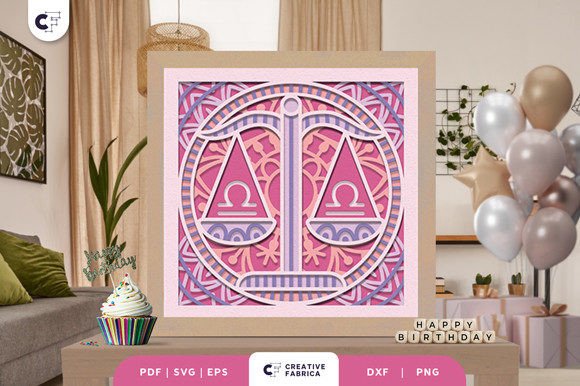
The core of this design focuses on the Scales, the iconic symbol of the Libra zodiac sign. In the digital preview, the layers create a sense of shadow and dimension that mimics physical papercraft. The mood is elegant, balanced, and slightly mystical, which aligns perfectly with the astrological themes often sought by customers looking for personalized gifts. Visually, the layout relies on negative space and overlapping elements to achieve its 3D effect. For an embroidery project, this presents both an opportunity and a challenge. The design feels sophisticated enough for boutique branding but intricate enough to require careful handling during production. It does not scream "novelty"; instead, it whispers "custom craftsmanship," which is exactly the vibe many Etsy sellers aim for in their higher-priced listings.
Real-World Application: From Screen to Stitch
To truly evaluate the Libra Zodiac 3D Shadow Box Papercut, I imagined applying it to a few common products. My primary test case was a custom embroidered tote bag. Tote bags are a staple for craft businesses, and a zodiac design fits well within the Birthdays and self-care gift categories. On a sturdy canvas fabric, the design’s structural elements hold up well. The heavier weight of the canvas supports the stitch density required to mimic the solid look of paper layers. However, when I mentally shifted the application to a lightweight sweatshirt, the considerations changed. A sweatshirt embroidery project requires a softer hand. If the stitch density is too high in the overlapping "shadow" areas, the fabric might pucker, ruining the clean lines essential to the papercut aesthetic.
For those considering this for custom apparel like t-shirts, caution is advised. The intricate details that make the design pop on screen can become lost or bulky on thin jersey knits. In this context, using a high-quality cut-away stabilizer is non-negotiable. I also considered its use as an embroidered patch. This might actually be the ideal medium. By stitching the design onto a separate piece of twill or felt and then appliquéing it onto a garment, you avoid the distortion issues entirely. This approach allows the fill stitch areas to remain dense and crisp, preserving the shadow-box illusion without compromising the integrity of the base garment.
Navigating Technical Challenges
While the visual appeal is strong, there are specific scenarios where this design demands extra attention. Small hoop sizes are a potential pitfall. If you attempt to shrink the design to fit a 4x4 inch hoop for a baby item or a cap, the finer details of the scales and the surrounding decorative elements may merge. Tiny lettering or intricate corners in a machine embroidery design like this can easily turn into a blob of thread if the resolution is not maintained. Therefore, checking the minimum recommended size is essential before promising a product to a customer.
Fabric texture also plays a significant role. On textured fabrics like terry cloth towels or fluffy blankets, the subtle gradients created by the layered look might get lost. The thread colors need to have sufficient contrast against the background to ensure the design remains legible. For dark fabrics, you must verify that the underlay stitches are sufficient to prevent the fabric color from showing through the lighter top threads. Additionally, curved surfaces like caps present a distortion risk. The geometric precision of the papercut style can look warped if not digitized with proper pull compensation for curved applications.
Enhancing Product Value and Brand Consistency
From a business perspective, the Libra Zodiac 3D Shadow Box Papercut offers a distinct advantage: recognizability. Zodiac signs are evergreen sellers. Customers often seek items that reflect their identity, making this a strong candidate for holiday embroidery gifts or birthday presents. When executed correctly, the professional finish of this design elevates the perceived value of the handmade product. It signals to the buyer that the seller invests in high-quality design assets and pays attention to detail. This builds customer trust and encourages repeat business. For an Etsy seller, having a cohesive collection of zodiac designs in this specific papercut style can help establish a recognizable brand aesthetic, making your shop stand out in a crowded marketplace.
Practical Notes for the Embroidery Designer
Before you load this digital embroidery file into your machine, take these practical steps to ensure success. First, always test the design on scrap fabric that matches your final project material. This allows you to check the stitch density and adjust tension if necessary. Second, review the color sequence. The 3D effect relies on subtle shifts in shade. Ensure your thread colors provide enough distinction between layers without clashing. Testing the design in black and white mockups can help you see if the contrast is sufficient for visibility.
Third, confirm the licensing terms. While many files allow for commercial use, it is vital to verify whether you can sell the finished physical items or if there are restrictions on selling the embroidery file itself. Never assume; always read the license included with the download. Finally, consider the washing instructions for the final product. Dense designs can affect the drape of fabric, so advise customers on proper care to maintain the appearance of their finished product. By treating this design with the technical respect it requires, you can transform a digital concept into a tangible, high-value item that delights customers and enhances your portfolio.